
Insurance For Snow Plowing
Winter brings a whole new set of headaches for snow removal businesses and property managers who need to keep roads, parking lots, and walkways safe. Clearing snow and ice isn’t just about having the right equipment—it’s about having people who know what they’re doing, often in some pretty rough conditions.
Running heavy snow removal equipment isn’t cheap or risk-free. Snow plow insurance provides essential protection when things go sideways—think accidents, busted gear, or those inevitable liability claims that pop up every winter. Knowing your options can make a real difference when it comes to keeping your business running and your assets safe.
- Snow plow insurance protects businesses from financial losses if equipment gets damaged or if there’s a liability claim during winter work.
- Coverage requirements vary by business type and where you’re operating—what works for a residential service might not cut it for commercial jobs.
- Multiple insurance providers offer specialized policies designed for snow removal, with a range of costs and coverage options.
Are you looking for a Snow PLow Insurance?

Who Needs Snow Plow Insurance Coverage?
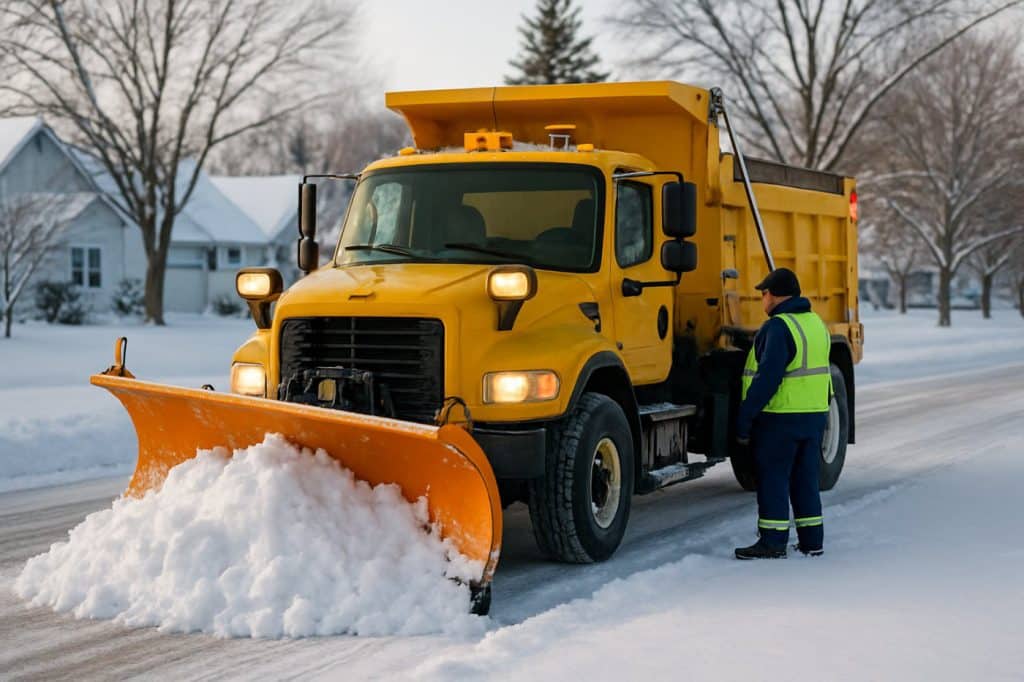
Snow plow insurance is a niche business policy for folks and companies running snow removal equipment. It’s designed to tackle the specific risks that come with clearing snow—whether that’s driveways, parking lots, or public roads—when winter hits hard.
This insurance acts as a buffer for operators who are out there in the thick of it, dealing with icy roads, limited visibility, and high-pressure situations. Mistakes happen—sometimes a lot. And when you’re working in those conditions, the odds of accidents or property damage definitely go up.
So who actually needs snow plow insurance protection? Turns out, quite a few folks.
Solo contractors—the one-person shows—need it to protect their gear and themselves from claims. Working solo in winter weather is risky business.
Lawn care businesses that switch to snow removal in the off-season also need specialized coverage to protect their seasonal equipment and avoid liability headaches.
City and county departments running fleets for public roads have to insure their vehicles. They’re responsible for a ton of ground, so the stakes are high.
Private business owners with big parking lots or private roads often operate their own plows. Commercial auto insurance is a must for these property managers.
Bottom line: if you’re making money plowing snow, you need to think hard about your insurance. The risks and equipment costs make proper coverage non-negotiable.
Core Protection Elements
Most snow plow insurance policies are built around a few key protections.
Equipment protection is a big one—it covers repairs or even replacement if your plow or other machinery gets wrecked by weather or just breaks down. When your gear fails in the middle of a storm, you really don’t want to be left stranded.
Liability coverage is another must-have. If your plow accidentally clips a car, messes up someone’s landscaping, or damages a building, this steps in to cover the costs and any legal headaches. It even helps if a poorly cleared area leads to a slip-and-fall incident.
And if you’ve got a crew, workers’ compensation is essential. Snow plowing is tough work, and injuries can happen fast. This coverage helps with medical bills and lost wages if someone on your team gets hurt.
Common Risk Scenarios
There are plenty of ways things can go wrong in snow removal. Accidents on icy roads are pretty common, especially when visibility drops during storms. These can involve other vehicles, stationary objects, or—worst case—people, which can turn into expensive liability issues.
Property damage pops up all the time. Plows sometimes hit:
- Parked vehicles hidden under snow
- Landscaping features like stones or garden borders
- Building structures—porches, stairs, doorways, you name it
- Underground utilities—sprinkler systems, electrical lines, etc.
- Sidewalks and curbing—those plow blades can do a number on them
And then there’s equipment breakdowns. Salt, moisture, and freezing temps are brutal on machinery. You never know when something’s going to quit on you, usually at the worst possible time.
What Snow Plow Insurance Costs Business Owners
Snow plow insurance costs vary a lot depending on your business and what you need covered. Solo operators usually see annual costs in the $500 to $1,500 range, but if you’re running a bigger operation with a fleet, you’ll pay more—sometimes a lot more.
Monthly premiums for snow plowing businesses typically sit between $45 and $105, but again, your specifics really matter. Small business premiums might start around $1,000 a year, while bigger companies can shell out several thousand.
What affects the price?
- Policy limits and deductibles—More coverage means higher premiums.
- Equipment value and age—New, pricey machines cost more to insure.
- Business size and number of employees—Bigger crews and more trucks drive up costs.
- Location—If you’re in a snow-heavy area, expect to pay more.
- Claims history—Lots of past claims? Insurers will notice.
How to save?
Shop around for quotes—don’t just settle on the first offer. Bundling your snow plow coverage with other business insurance can sometimes knock down the price, too.
There’s more to it than just coverage limits. The number of vehicles you run, how often your area gets slammed with snow, and your years in the business all play into what you’ll pay. Experienced operators with a clean record usually get better deals.
Frequently Asked Questions
Do certain states have special insurance requirements for snow plowing operators?
Most states expect snow plow operators to carry commercial vehicle insurance, but the details—like minimum coverage—change depending on where you are. Liability coverage is usually the baseline.
Some places get a bit more specific, especially where snow is a bigger deal. There might be rules about how much property damage or bodily injury protection you need, and honestly, it’s not always straightforward.
If you’re working in states that get hammered with snow, don’t be surprised if the regulations are even tighter. Best bet? Check with your state’s DMV or insurance commission so you don’t miss anything.
Which elements affect snow plow insurance pricing?
Insurance costs for snow plowing businesses are, well, all over the place. The size of your operation is a big deal—bigger fleets usually mean higher premiums.
Primary cost factors include:
- Number of vehicles and total equipment value
- How long you’ve been in business
- Your claims history and safety record
- Where you operate and local weather patterns
- The types of properties you’re servicing
New operators usually get hit with higher rates since there’s not much history for insurers to go on. On the flip side, if you’ve got a solid safety record, you might catch a break on premiums.
Which insurance providers specialize in snow removal business policies?
There are quite a few companies that handle snow plow insurance coverage for businesses. Big-name commercial insurers tend to have a pretty wide range of options.
Progressive Commercial offers snow plow insurance as part of their business coverage lineup. The Hartford’s another one that’s known for plowing policies.
Don’t sleep on regional agencies either—they sometimes have surprisingly good deals for local outfits. Independent agents are also handy if you want to shop around without doing all the legwork yourself.
What types of protection are usually included in snow removal insurance policies?
Snow plow insurance policies usually bundle a few different coverages together so you’re not left hanging if something goes sideways.
Standard coverage components:
| Coverage Type | Protection Provided |
|---|---|
| General Liability | Property damage and injury claims |
| Commercial Auto | Vehicle accidents and physical damage |
| Equipment Coverage | Plow attachments and specialized gear |
| Workers Compensation | Employee injury protection |
| Business Interruption | Lost income during equipment repairs |
Commercial auto insurance with snow plow coverage is pretty much a must—it covers your vehicles and the plow equipment attached. If there’s an accident while you’re working, this is what you’ll rely on.
How can snow removal companies reduce their insurance costs?
There are a handful of ways to chip away at insurance costs. Safety programs and driver training? Insurers love that stuff and might toss you a discount.
Keeping clean driving records is a big help, too. Some folks even install GPS trackers or dash cams, which can shave off a bit more from your premiums.
Bundling your policies with the same insurer often brings savings, though it’s not a guarantee. If you can stomach a higher deductible, your monthly payments might drop as well.
Cost reduction strategies:
- Run regular safety training sessions
- Keep your equipment in good shape
- Pick coverage limits that actually fit your business
- Lean on experienced agents for advice
- Get quotes from several carriers before signing anything
What liability exposures do snow plow operations face and how does insurance address them?
Snow plow businesses definitely run into some tricky liability risks out on the job. Property damage? That’s a big one, honestly.
It’s not hard to imagine a plow operator accidentally scraping a car, clipping a mailbox, or tearing up someone’s landscaping. And let’s be real—ice and snow removal isn’t exactly a low-risk gig. There’s always a chance someone could slip, or a worker could get hurt.
Snow plowing contractors insurance provides general liability protection for these kinds of headaches. This stuff steps in to cover legal bills and settlements if things go sideways.
Common liability risks:
- Damage to parked cars or property
- Slip and fall accidents on cleared surfaces
- Inadequate snow removal leading to injuries
- Equipment malfunction causing harm
- Contractual disputes with clients
Insurance can be a lifesaver for businesses after an accident. Without it, even one bad day could hit your wallet pretty hard.
